
Welcome
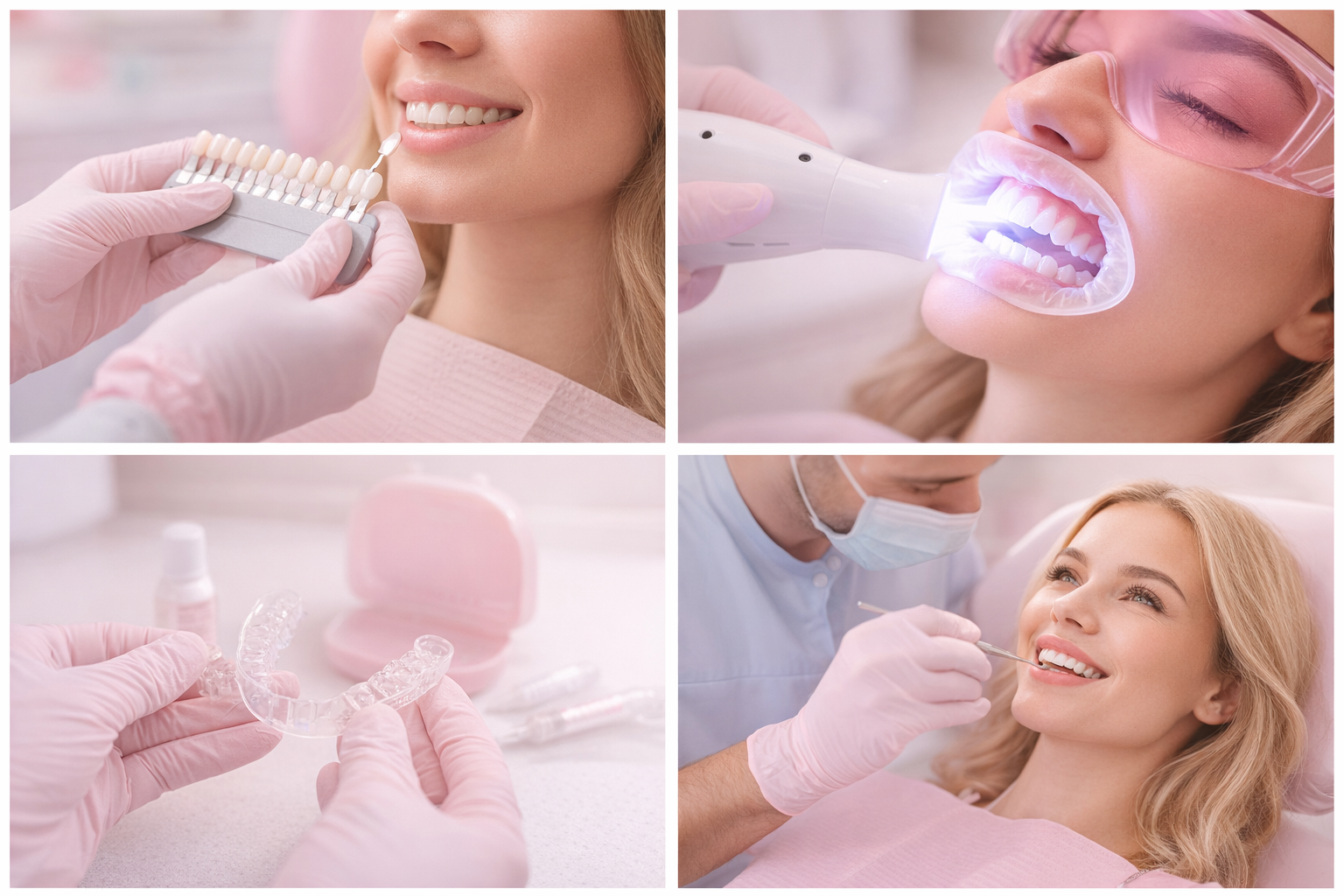
A brighter smile is often one of the simplest ways to refresh overall appearance while keeping your natural teeth unchanged apart from their shade. Professional tooth whitening is highly effective, but it remains a clinical treatment that requires careful assessment, realistic expectations, and proper aftercare to achieve safe, balanced results. Here you’ll find clear information on how professional whitening works, who it is suitable for, what outcomes are realistically achievable, and how to maintain results over time. The focus is on practical guidance, measured reassurance, and transparent information so decisions about treatment feel informed, considered, and confident.
Here you’ll find clear information on how professional whitening works, who it is suitable for, what outcomes are realistically achievable, and how to maintain results over time. The focus is on practical guidance, measured reassurance, and transparent information so decisions about treatment feel informed, considered, and confident.
Why Professional Treatment Matters
When people ask why they should choose professional tooth whitening rather than the many over-the-counter options, three practical reasons keep coming up: safety, predictable results, and personalised care.
Safety
Professional whitening is provided under clinical supervision. A dentist or suitably qualified clinician checks your mouth first to ensure there are no untreated problems, such as decay or gum disease, that should be addressed before whitening begins. The concentrations and application times used in a professional setting are chosen to reduce harm to enamel and soft tissues. Gums and lips are protected during application, and clinicians monitor sensitivity during and after treatment to make quick adjustments.
Predictable Results
Professional systems — whether in-clinic or professionally supervised take-home kits — achieve more reliable and consistent shade changes than most shop-bought strips or gels. Clinicians select the right concentration and protocol for your teeth and follow evidence-based schedules. The aim is always a natural, balanced result that complements your face and skin tone rather than an over-bleached look.
Personalised Care
Teeth differ. Enamel thickness, existing restorations, internal discolouration, and lifestyle habits (tea, coffee, red wine, smoking) all shape both the outcome and the maintenance needs. A professional creates a tailored plan: the right method, sensitivity control options, and a maintenance programme. That human judgement — adapting technique to your mouth, not a one-size-fits-all kit — is what sets professional care apart.
Ultimately, professional tooth whitening in the UK is about improving appearance while keeping dental health front and centre: the goal is a brighter smile that looks natural, lasts longer, and suits you.
How the Treatment Works
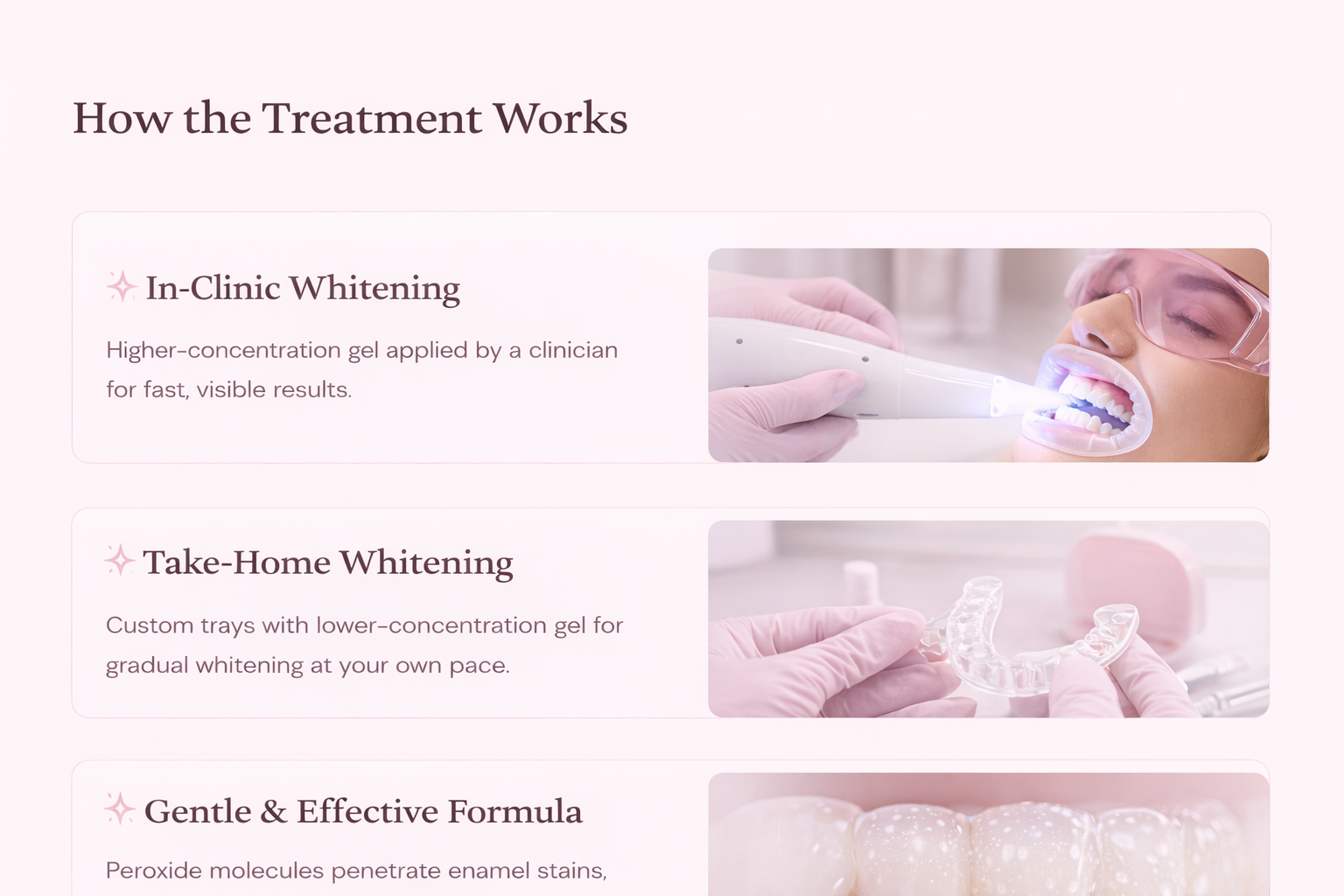
Tooth whitening relies on chemical actions to reduce the visibility of coloured molecules in enamel and, in some cases, the outer dentine. Peroxide-based agents (the medically accepted active ingredients) break down into smaller, reactive molecules that penetrate the enamel's microscopic pores and alter stain molecules, making them appear lighter.
In-Clinic Whitening
Performed by a clinician in a controlled environment, this method typically uses a higher-concentration gel, carefully applied to the teeth with soft-tissue protection for the gums. Sessions usually last around an hour and may be repeated over multiple visits, depending on the desired result and initial shade. In-clinic whitening provides a faster, more visible change and is closely monitored for potential sensitivity.
Professional Take-Home Whitening
This uses custom-made trays fitted to your teeth that hold a lower-concentration whitening gel against your teeth's surfaces. You wear the trays for a specified time — commonly overnight or for a few hours daily — across several days or weeks. The gradual approach is gentler on sensitive teeth and allows patients to control the pace of whitening.
Key Technical Points
- Concentration and time matter: Higher peroxide concentrations act faster but increase the risk of sensitivity; lower concentrations take longer but can be kinder to reactive teeth.
- Peroxide penetrates enamel: The small molecules from peroxide penetrate through the enamel and break down coloured compounds, changing how they reflect light.
- Restorations don't change: Crowns, veneers, and most fillings won't whiten. That's important for realistic expectations — clinicians may plan to replace or adjust restorations after whitening for a consistent look.
- Sensitivity is common but manageable: Any increase in dental sensitivity is usually temporary. Good clinicians offer desensitising measures and adapt the plan if sensitivity becomes problematic.
Whitening is a chemical modification of appearance, not a physical stripping away of enamel. When done properly, it is safe, reversible (i.e., stopping treatment), and predictable within the limits set by the type of staining and individual dental anatomy.
Who Is Suitable
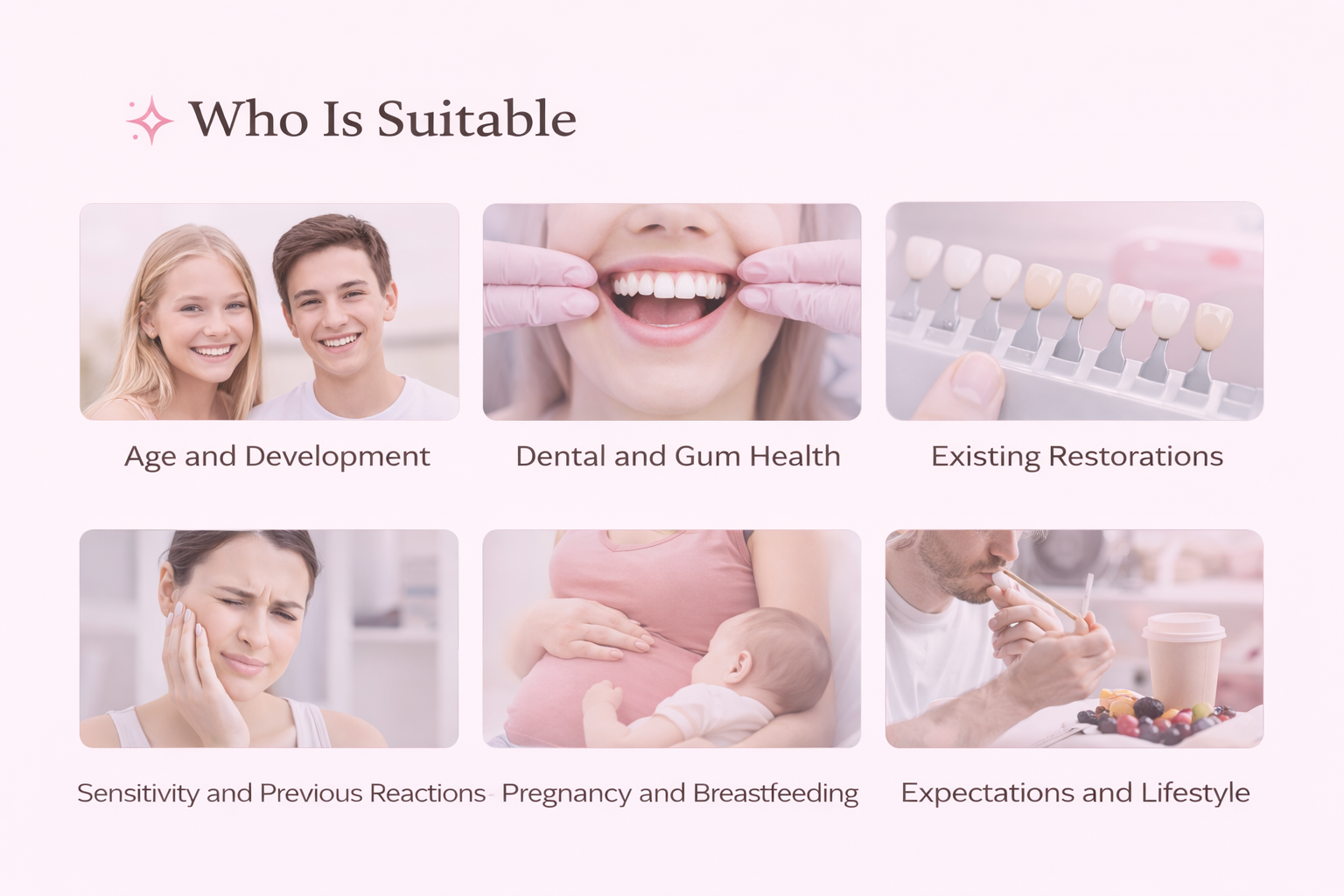
Professional whitening suits many adults who want a natural-looking improvement in their teeth's brightness. However, candidacy depends on a few important factors:
Age and Development
Dentists often prefer to treat adults. Teeth and oral tissues in younger people can be more reactive, and the long-term effects of repeated whitening over decades are not well documented. Clinicians, therefore, take a cautious approach with younger patients and recommend a full assessment before any treatment.
Dental and Gum Health
Good candidates have healthy gums and no untreated decay. Whitening over disease can increase discomfort and won't address underlying problems. Any loose restorations, cavities, or severe gum issues should be treated before whitening.
Existing Restorations
Crowns, veneers, composite fillings, and other restorations do not respond to peroxide in the same way as natural tooth enamel. If you have visible restorations in the smile zone, discuss with your clinician whether replacing them after whitening is appropriate to achieve a uniform appearance.
Sensitivity and Previous Reactions
If you have a history of dental sensitivity, a professional will tailor the plan — for instance, using a gentler take-home programme or pre-treatment desensitising toothpaste. Sensitivity is common, but it's manageable and predictable when supervised.
Pregnancy and Breastfeeding
Most clinicians advise pausing elective whitening during these periods as a precautionary measure. It's a conservative stance based on safety-first thinking rather than evidence of direct harm.
Expectations and Lifestyle
Good candidates are realistic about results and willing to follow aftercare advice. Heavy smokers and people who frequently consume staining foods or drinks can still benefit, but their lifestyle will influence longevity. Discussing expectations openly ensures satisfaction.
In short, a good candidate is someone with healthy teeth and gums, realistic expectations, and a willingness to follow maintenance advice. A professional consultation is the right first step to confirm suitability.
Types of Stains Explained
Understanding stains helps you know what whitening can and cannot do. Stains fall mainly into two categories:
Extrinsic Stains (Surface)
These sit on the enamel surface and are caused by substances such as tea, coffee, red wine, tobacco, strongly coloured sauces, and certain fruits, like berries. Surface stains are usually the most responsive to both professional cleaning and whitening.
Intrinsic Stains (Internal)
These occur within the tooth structure. Causes include:
- Developmental factors (discolouration during tooth formation)
- Trauma (a knocked tooth can darken internally)
- Certain medications or antibiotics taken during tooth development (historic examples)
- Age-related changes where dentine becomes darker and enamel thins slightly
Intrinsic stains are harder to treat and sometimes respond less to peroxide-based whitening. In such cases, a combination of whitening plus a restorative approach (bonding, veneers, or shade-matched crowns) can deliver the best aesthetic result.
Mixed Stains
Many people have both surface and internal staining. The clinician's job is to assess how much improvement whitening alone will provide and whether complementary restorative work will be needed to achieve an optimal aesthetic match.
Understanding the cause of the stain is a major part of setting realistic expectations and choosing the best plan.
Treatment Options and What to Expect
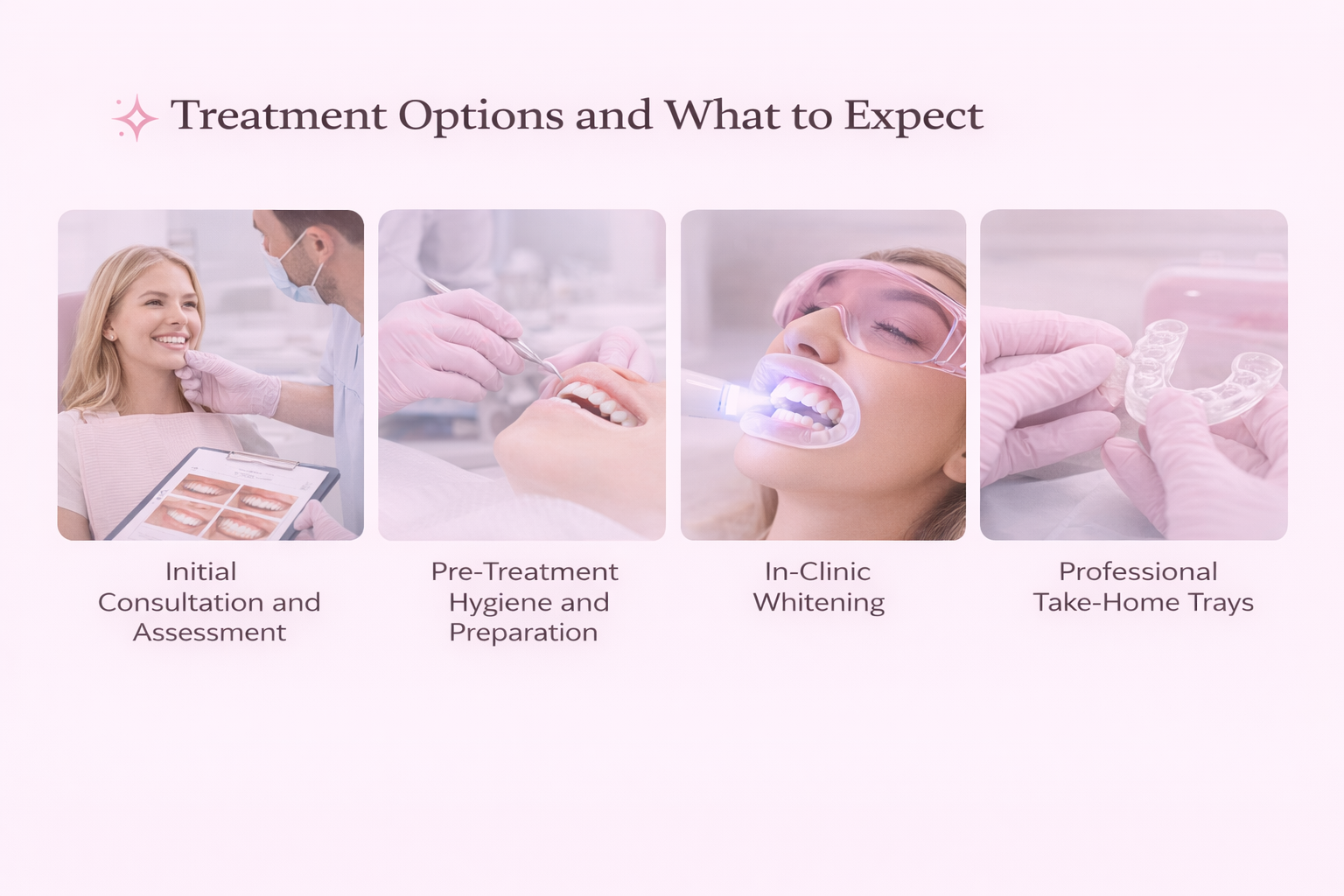
A clear assessment leads to a tailored pathway. Below is an expanded, step-by-step overview of typical options and what patients can expect at each stage.
Initial Consultation and Assessment
- A clinician will take your history and do a mouth check, focusing on decay, gum health, and any restorations.
- Baseline photographs and shade records are commonly taken to document the starting colour.
- You'll discuss goals: subtle refresh, a clear brightening, or harmonising teeth with restorations.
- The clinician will explain options, likely results, potential sensitivity, and maintenance needs.
Pre-Treatment Hygiene and Preparation
- Often, a professional cleaning is recommended first to remove soft deposits and surface staining. This helps whitening perform optimally and gives a clearer baseline for expectations.
- Any necessary dental treatment (fillings, gum care) is dealt with before whitening.
In-Clinic Whitening
- Typical flow: gum protection, controlled application of whitening gel, timed application with monitoring.
- Sessions can last 45–90 minutes, depending on the method and the number of repeat applications.
- Some systems use light or heat sources; others rely solely on the gel. The clinician will explain the chosen protocol.
- Immediate results are common; often, a noticeable shade change is seen after a single session.
- Post-session care includes desensitising measures and short-term dietary advice to protect the newly whitened enamel.
Professional Take-Home Trays
- Impressions or digital scans create custom trays that fit precisely.
- A lower-concentration gel is supplied with instructions on how long to wear the trays each day.
- Treatment usually spans 1–3 weeks, depending on the starting shade and desired result.
- This approach allows gradual control and is ideal for people who prefer to manage the process at home.
Combined Approach
Some clinicians use an in-clinic boost for fast initial change, followed by a take-home phase for consolidation and maintenance. This can give the best balance of speed and gentleness, particularly for patients who want quicker results without long-term sensitivity.
Practical Sensations and Common Side Effects
- Sensitivity to cold is the most frequent side effect; it usually resolves within days to a few weeks.
- Minor gum irritation can occur if gel contacts soft tissue — correct tray fit and professional application minimise this risk.
- Severe or prolonged pain is uncommon; return to your clinician if you experience persistent discomfort.
Realistic Results and Expectations
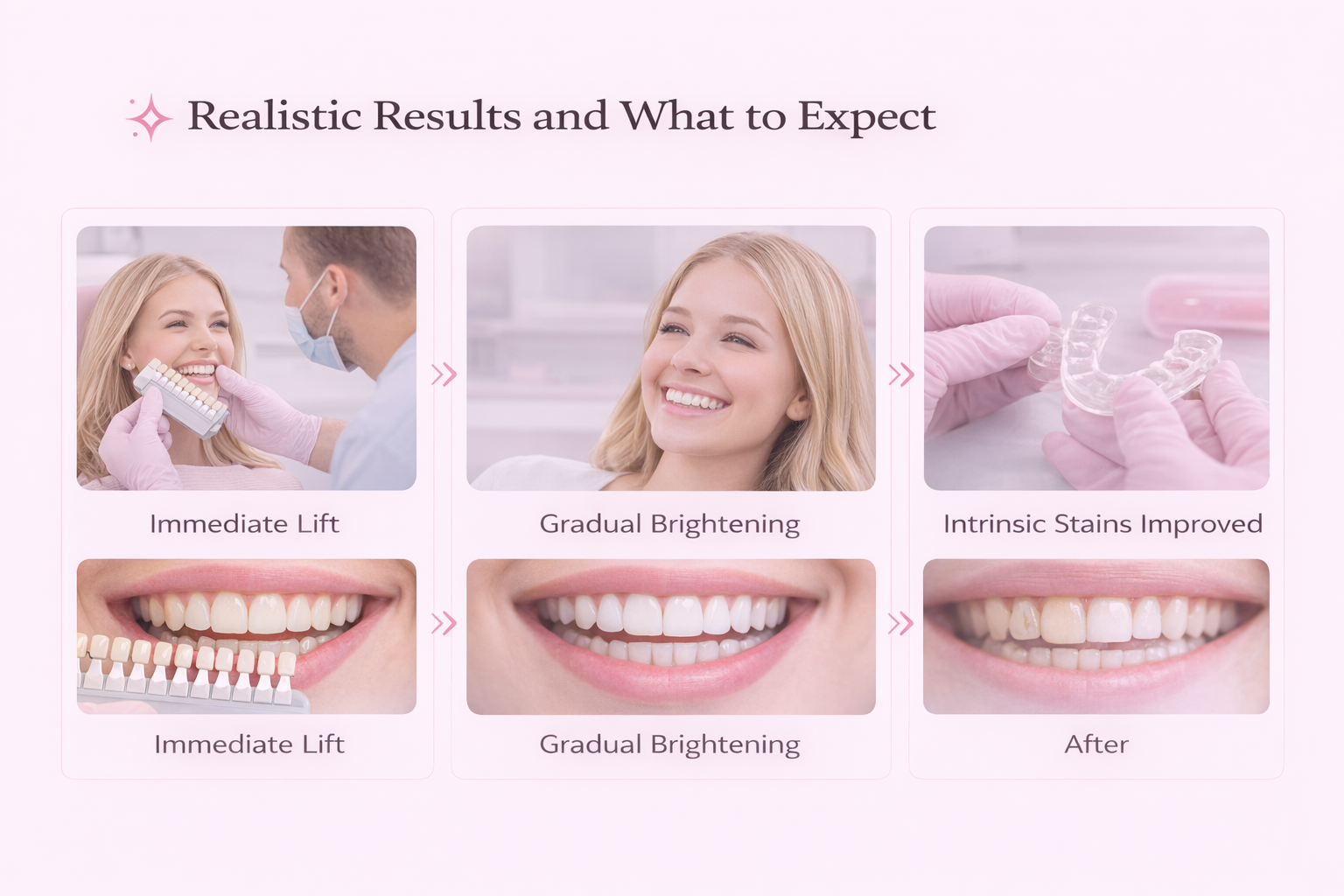
Being realistic about results is central to long-term satisfaction. Here's how to think about expected changes and timelines:
Immediate vs Gradual Change
- In-clinic treatments: Often produce visible results immediately. A single session can lift several shades, although the final colour may take a few days to stabilise.
- Take-home treatments: Typically produce progressive improvement over 1–3 weeks. This slower change can be preferable for those worried about sensitivity.
How Much Improvement Is Possible
- Surface stains: Usually respond well and can become significantly lighter.
- Intrinsic stains: May improve less dramatically; sometimes whitening can make an internal discolouration look less prominent, but restorative solutions may be needed for a perfect match.
Timeline for Stability
Teeth settle in colour over the first few weeks after treatment, so clinicians often recommend waiting a short period before replacing restorations for matching. With good habits, many patients keep a pleasing result for months to years. Regular top-ups help manage gradual re-staining.
Examples of Typical Outcomes
- A coffee drinker who switches to a maintenance routine and occasional top-ups can keep their teeth brighter for 12–24 months.
- A heavy smoker may require more frequent top-ups and a combined approach to achieve and maintain an acceptable shade.
- Someone with thin enamel or long-standing intrinsic staining may gain noticeable improvement, but may choose to complement whitening with conservative restorations for the best aesthetic finish.
Remember: the most satisfying results tend to be those that look natural and suit your facial features. A measured, patient-centred approach leads to outcomes people feel happy with.
Safety and Professional Standards

Professional oversight makes a real difference to both safety and outcome. Key points to expect from a safe, professional service:
Thorough Assessment
Clinicians check for cavities, gum disease, and failing restorations. Whitening over untreated disease increases the risk of pain and poor results.
Controlled Materials and Protocols
Clinical systems use proven concentrations and follow tested protocols. Soft tissues are protected, and clinicians monitor the effect during application.
Clear Communication and Consent
A professional will explain likely outcomes, side effects, sensitivity risks, and maintenance. You should be asked to confirm you understand the plan before treatment starts.
Adaptation and Vigilance
If sensitivity or irritation occurs, clinicians can adapt the plan — reduce concentration, shorten application time, or pause treatment and manage symptoms.
Record-Keeping and Follow-Up
Baseline shade records and treatment notes allow consistent follow-up and make later decisions, such as restoration replacement, straightforward.
Practical reassurance: If a clinician advises postponement (for example, until a cavity is treated), it's a sign they prioritise your oral health — an essential safeguard that protects long-term outcomes.
Safety is not only about materials; it's about the judgment and care of the team delivering treatment. Professional oversight keeps the focus on healthy, long-lasting, and comfortable results.
Aftercare and Maintaining Results
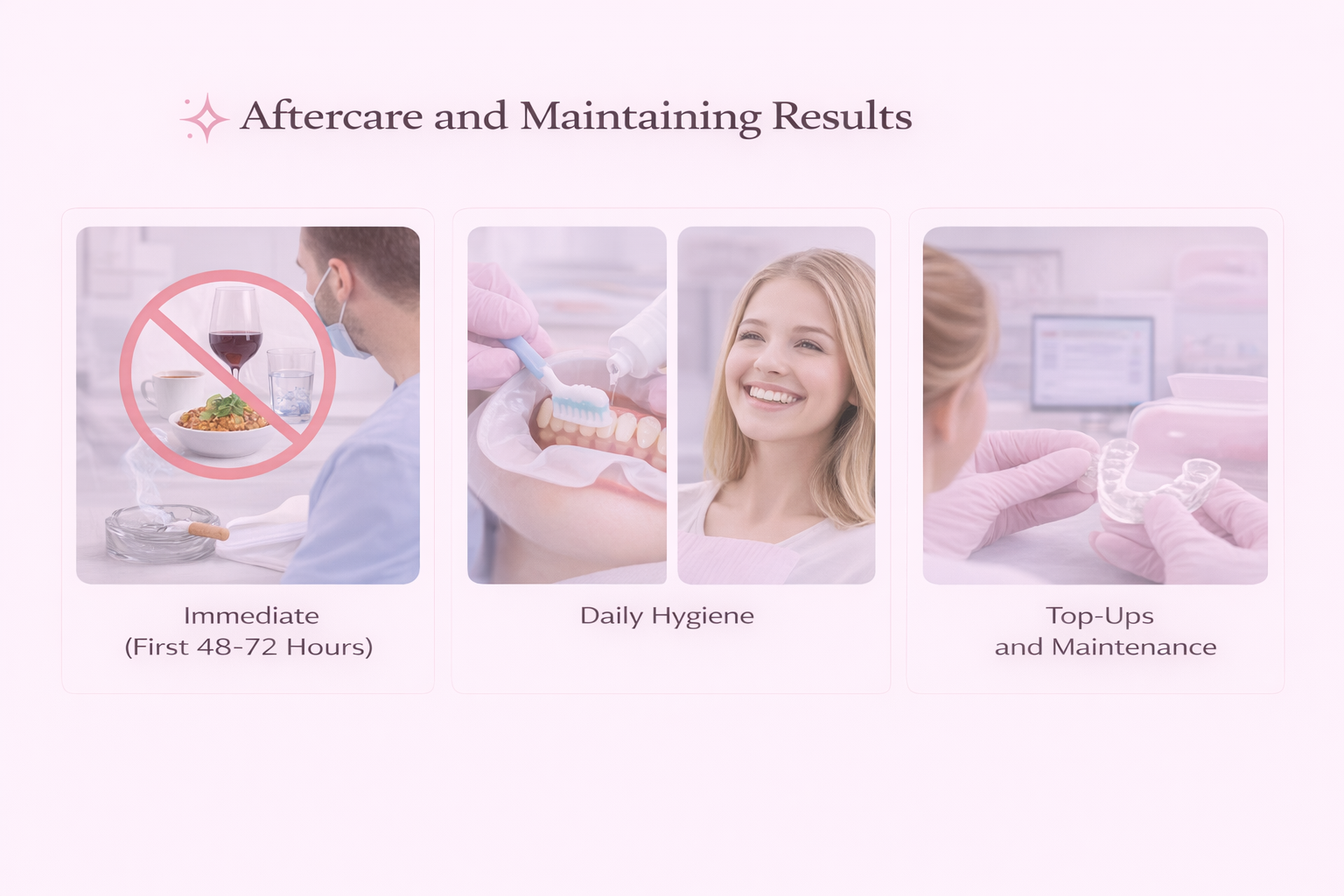
Aftercare is where small daily choices turn a short-term result into a long-lasting improvement. Here's a friendly, practical plan to help keep your smile bright.
Immediate (First 48–72 Hours)
- Avoid strongly pigmented foods and drinks (red wine, coffee, tea, beetroot, curries, and heavily coloured sauces).
- Avoid smoking entirely during this period.
- If you do consume staining drinks, rinse with water afterwards — this reduces the likelihood of new staining.
Daily Hygiene
- Brush twice daily with a fluoride toothpaste and clean between teeth once a day using floss or interdental brushes.
- Consider a desensitising toothpaste if you experience heightened sensitivity; these contain agents that reduce the nerve response over time.
- Regular professional cleans (dental hygiene appointments) remove surface deposits that can dull results.
Lifestyle Adjustments
- Reduce frequent sipping of staining drinks; use a straw for cold, dark beverages when practical.
- If you are a smoker, quitting dramatically improves both oral health and the longevity of whitening results.
- Rinse your mouth with water after consuming pigmented foods or drinks to reduce staining.
Top-Ups and Maintenance
- Many people benefit from brief top-ups every 6–18 months. This can be a single night in your custom tray or a short course of take-home gel.
- Ask your clinician for a personalised maintenance schedule based on your habits and the degree of initial whitening.
When Restorations Are Present
- Wait for the final shade to stabilise before replacing visible restorations to ensure the best aesthetic match.
- Discuss any planned restorative work with your clinician so replacement occurs at the right time.
With sensible aftercare, patients can often enjoy a brighter smile for a long time. The right maintenance plan is simple and tailored to your lifestyle.
Frequently Asked Questions
Patient Experiences
Our Approach to Patient Care
A professional approach is as much about how people are treated as it is about technique. A good team listens first — to your concerns, your smile goals, and any previous dental experiences that matter to you. The aim is to create a plan that balances dental health with the aesthetic look you want.
Expect plain-language explanations, not jargon. Teams that take time to show baseline photos, explain likely outcomes, and discuss aftercare set patients at ease. If you have anxiety, ask for a stepwise plan: some patients prefer a single in-clinic session; others prefer the slower, gentler take-home route — both are valid choices.
Practical care includes careful records of baseline shade and restorations, clear instructions for take-home trays if used, and scheduled follow-ups so you're not left uncertain about the next steps. Teams that offer realistic advice about replacing restorations after whitening are focused on long-term satisfaction rather than short-term sales.
Finally, empathy matters. A clinician who respects your preferences, answers questions kindly, and adapts a plan for comfort is the one most people feel happy to recommend.
Next Steps and What to Know
If you're curious but nervous, start with a consultation — a short, no-pressure conversation where a clinician can assess your mouth and explain options. You'll leave with a clear understanding of:
- Whether whitening is suitable right now,
- Which method best matches your sensitivity and lifestyle,
- What to expect in terms of timeline and maintenance,
- How any restorations might be managed for the best aesthetic outcome.
Bring photos of smiles you like or describe the shade you're aiming for. If you already have restorations, mention them — this helps the clinician plan. You don't need to decide on the spot. Take home the information, consider the maintenance required, and return when you're ready.
On the day you proceed, expect a focused, empathetic service: pre-treatment checks, careful application of well-fitting custom trays, and clear aftercare instructions tailored to your needs. The process is elective, and the best outcomes come from informed decisions and sensible maintenance.
Standards of Care
Choosing to whiten your teeth is a personal decision, best made with clear information. Look for a clinician who documents baseline shade, explains potential sensitivity, and offers follow-up care. The right team will prioritise your oral health first and the appearance second.
Professional whitening in the UK aims for natural-looking results that enhance confidence without compromising comfort. If you have restorations, sensitivity, or specific health concerns, these are valid points to raise — a competent team will discuss options openly and suggest a plan that fits your needs.
If you're anxious, that's entirely normal. The best clinicians will take time to reassure you, offer gentler options, and treat you as a person, not a procedure. A brighter smile should feel like an improvement, not an imposition — and with the right plan, it can.